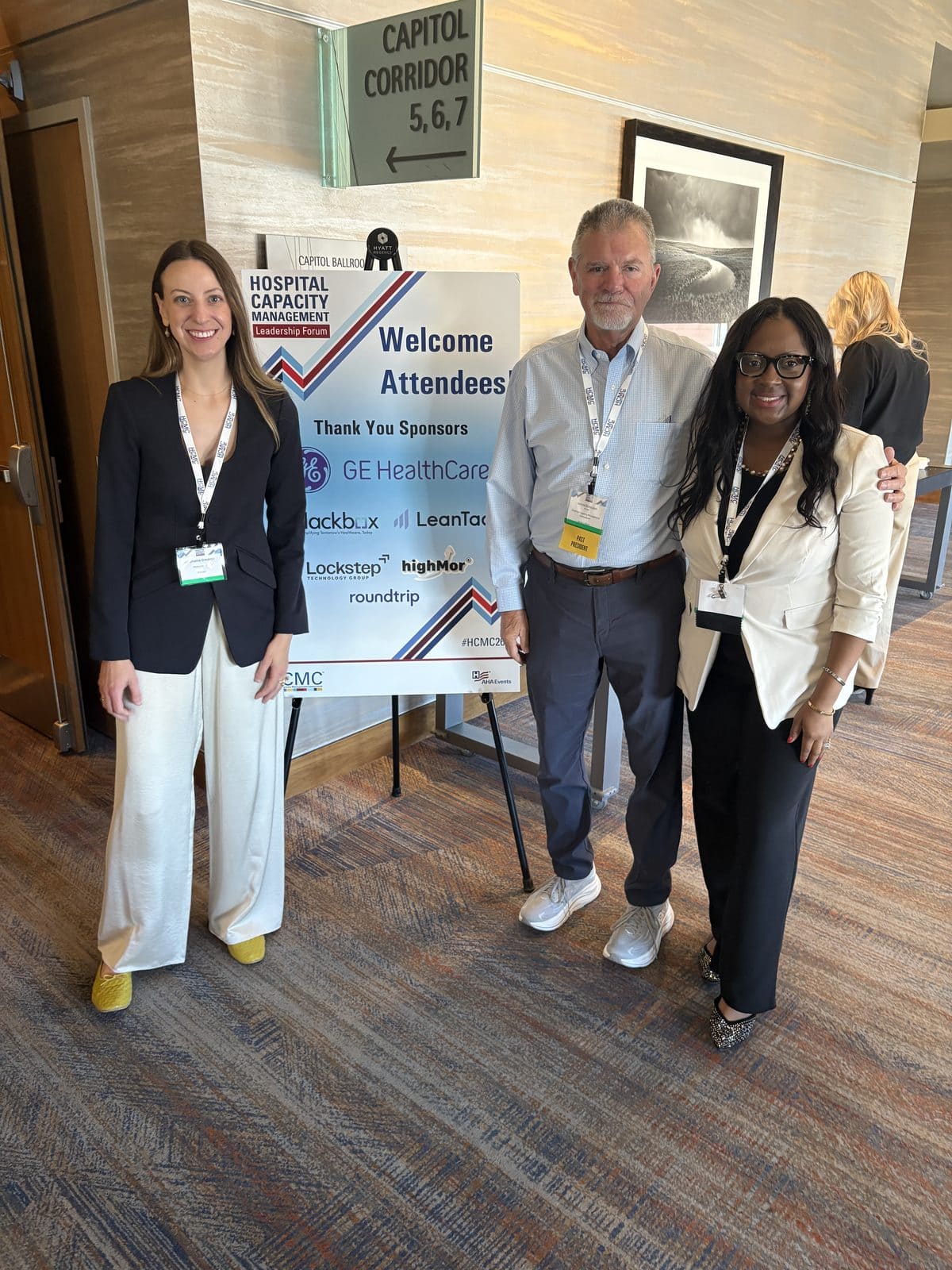
While most of healthcare woke up to the realities of capacity challenges during the pandemic, this group had quietly been plugging away at it for years before that.
Almost a decade ago, I met Robert Fogerty, MD, MPH, SFHM in Miami at a special interest group for leaders focused on hospital capacity challenges. There were a handful of professionals in attendance, mostly from academic health systems, who had been independently advocating for their organizations to think differently about managing capacity, and came together to see what they could learn from each other. People brought the results of their improvement projects: work that had moved the needle on length of stay, or innovative solutions for caring for patients boarding in the Emergency Department. My contribution was bringing our recent research study debunking the myth that 80% was the optimal inpatient capacity target, a conclusion we’d arrived at by modeling inpatient flow using health systems engineering principles.
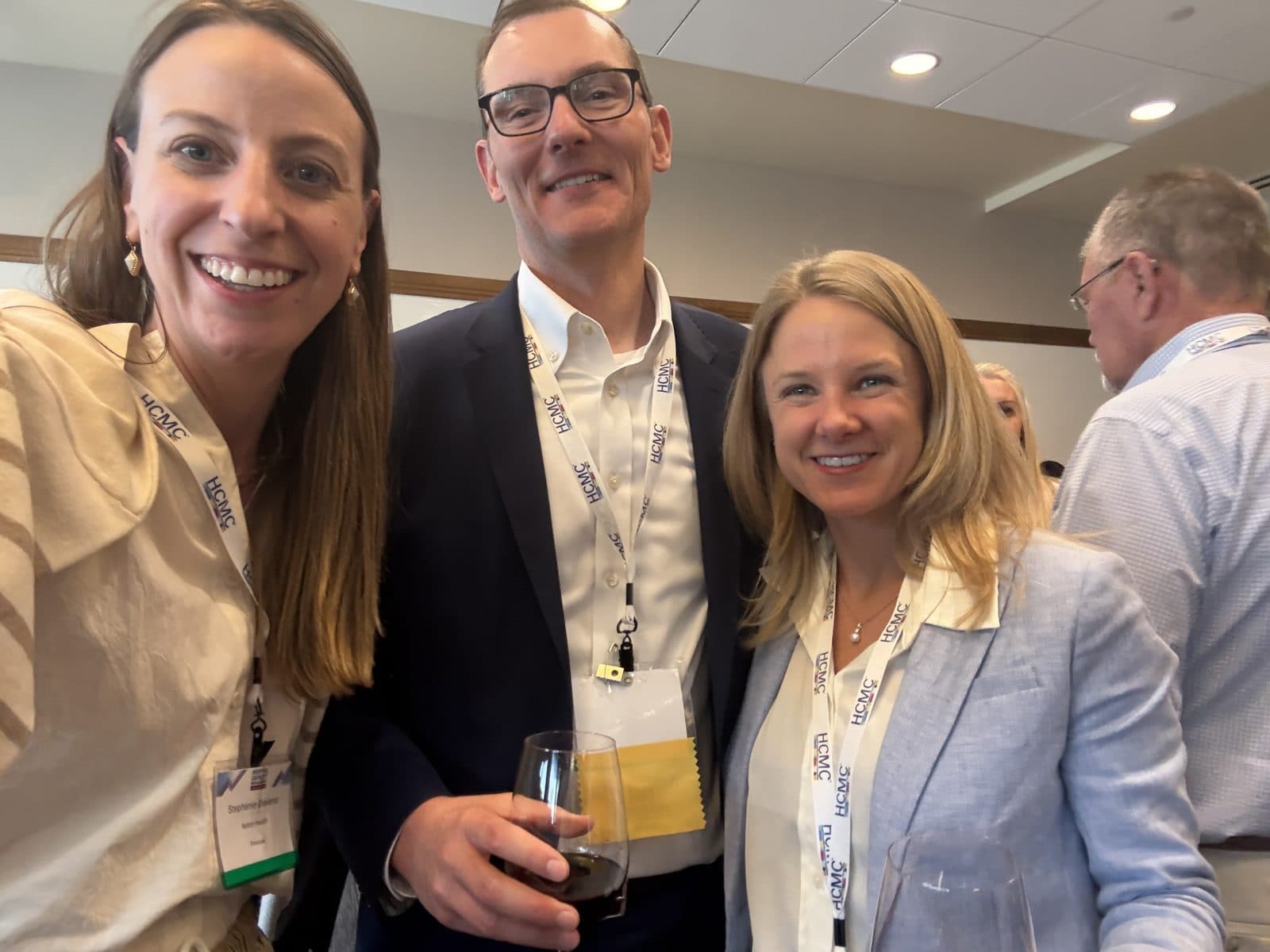
But more than the individual projects, what stood out was most conversations centered on how to begin talking to the C-suite about throughput and capacity, since there wasn’t yet widespread adoption of the language, metrics, or vocabulary needed to make the case with any sophistication. Many of us were among the only ones at our own organizations advocating for this lens on throughput at all.
Hungry for more, recognizing the need for a community dedicated to improving how hospitals care through innovation and shared learning, Rob went on to co-found Hospital Capacity Management Consortium (HCMC) together with James J Scheulen, Vikas Parekh, Heidi High, MBA, BSN, NE-BC, FACHE, which just convened its first Hospital Capacity Management Consortium Leadership Forum this past weekend. Now part of the American Hospital Association, HCMC is a collaborative of professionals working across health systems and industry partner organizations to support hospital operations.
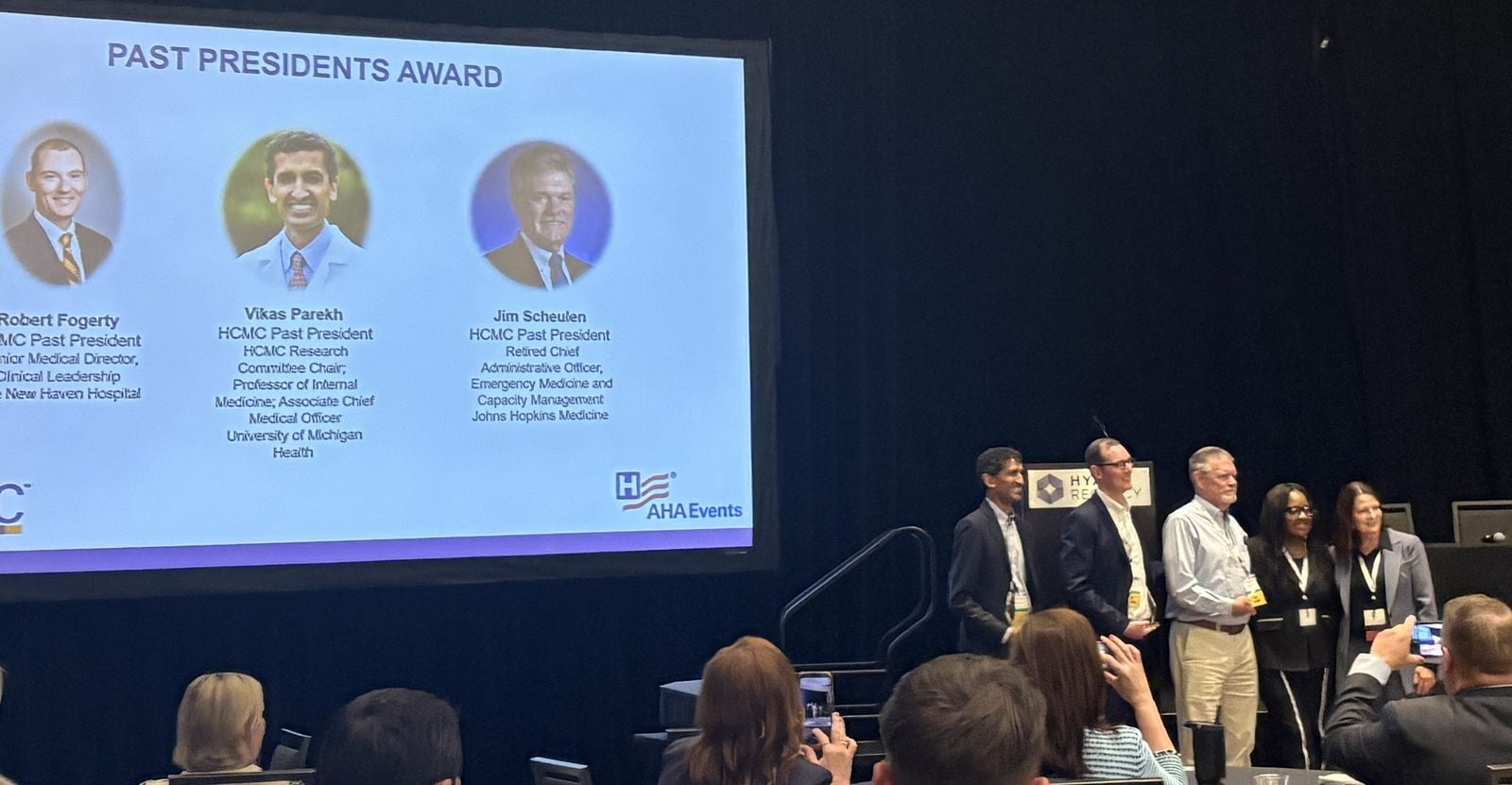
Here’s what that decade of quiet work has produced: benchmarking reports, contributions to the scientific advancement of the field, and a “professional management group” designation under the AHA’s umbrella. In attendance were professionals from systems across the country with titles like “Chief Logistics Officer,” “Clinical Expeditor,” and “Director of Virtual Nursing”.. titles that didn’t exist ten years ago. And the conversations have grown more nuanced too: talking about “expected” length of stay relative to what’s “observed” in the data, managing variability, and the ever-present tension between access and efficiency that continues to define the field.
What an honor to attend the first Hospital Capacity Management Consortium Leadership Forum this past weekend, united around a discipline that barely had a name when a handful of us first sat down together, now a craft to be honed, and a science to be studied!